Restoring Health, Dignity, and Community Resilience
In the face of ongoing humanitarian challenges in Darfur, the Child Development Foundation (CDF) implemented an integrated humanitarian response project to support vulnerable communities in West and Central Darfur. The project addressed urgent needs in health, nutrition, water, sanitation, hygiene (WASH), food assistance, and community protection, aiming to strengthen essential services and improve the well-being of affected populations.
Implemented between September 2024 and August 2025, the project focused on empowering communities, strengthening local health systems, and improving access to essential services in underserved rural areas.
Strengthening Maternal and Community Health
One of the project’s key priorities was improving maternal health and reducing risks associated with childbirth in remote communities.
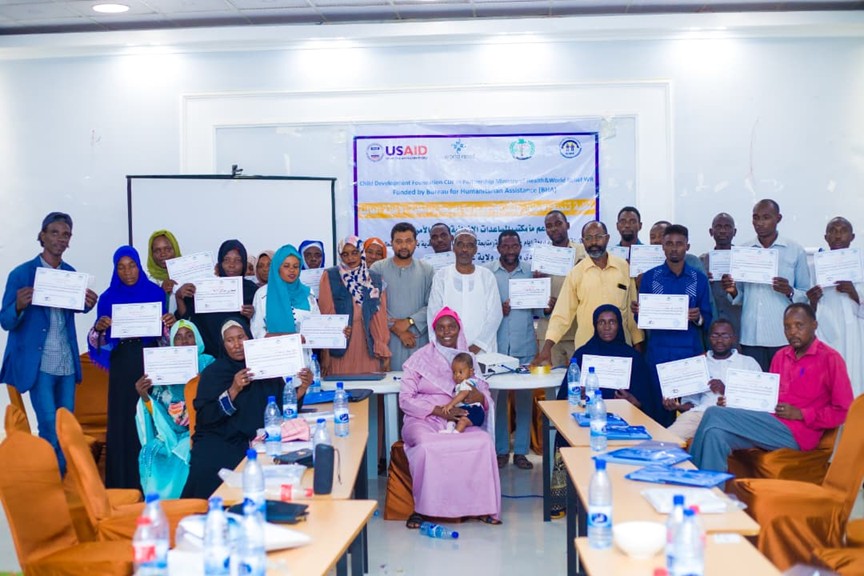
CDF trained 120 traditional midwives from 12 villages in West Darfur, equipping them with essential knowledge on safe delivery practices, early detection of complications, and referral pathways to health facilities.
This initiative helped bridge the gap between rural communities and formal health services, improving the safety of mothers and newborns in areas where access to healthcare remains limited.
Mobilizing Communities for Healthier Environments
Environmental health plays a critical role in preventing disease outbreaks. To address this, the project organized 12 community mobilization campaigns to clean public spaces, remove waste, and eliminate mosquito breeding sites.
Community members actively participated in cleaning campaigns, awareness sessions, and environmental protection activities. These efforts reached approximately 1,500 people across 12 locations, contributing to improved sanitation and increased awareness of disease prevention.
Supporting Nutrition Services for Children
To strengthen nutrition services, the project trained 24 nutrition assistants working in primary healthcare facilities in Geneina, Krenik, and Sirba.
The training focused on growth monitoring and nutrition assessment, improving the ability of health workers to detect and address malnutrition among children at an early stage.
Empowering Adolescent Girls with Health Education
Adolescent girls often face significant barriers to accessing information and resources related to menstrual hygiene. Through the project, 18 awareness sessions were conducted in six schools, reaching 900 adolescent girls.
These sessions focused on:
-
Menstrual hygiene management
-
Personal health and hygiene
-
Reducing stigma and improving confidence among girls
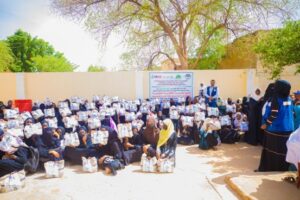
To complement the awareness activities, 900 menstrual hygiene kits were distributed to schoolgirls. Each kit contained essential hygiene materials, helping girls manage their menstrual health safely and with dignity.
Building Local Capacity in Water and Sanitation
To improve long-term water and sanitation management, the project strengthened local community structures.
CDF trained:
-
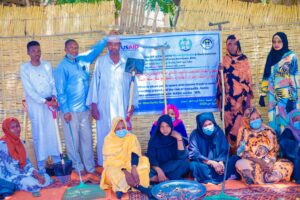
120 community-based hygiene and sanitation promoters (CHPs) in 12 villages
-
120 community volunteers on water quality monitoring across 30 communities
-
120 members of water management committees on operation, maintenance, and tariff collection systems for water services
These initiatives enhanced community ownership of water resources and improved the sustainability of WASH services.
Bringing Health Services Closer to Remote Communities
Access to healthcare remains a major challenge in many rural areas of Darfur. To address this gap, the project implemented mobile health clinics in underserved communities.
The mobile clinics provided services including:
-
Nutrition support for children under five
-
Vaccination services
-
Basic primary healthcare
Through these services, approximately 10,000 people received essential healthcare support, many of whom had limited or no access to health facilities.
Lasting Impact
Through integrated interventions and strong community engagement, the project contributed to:
-
Improved maternal and child health services
-
Increased awareness of hygiene and disease prevention
-
Strengthened community capacity in water and sanitation management
-
Expanded access to essential healthcare services in remote areas
By combining health, nutrition, and WASH interventions, the project helped build healthier and more resilient communities across West Darfur.