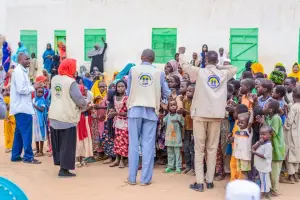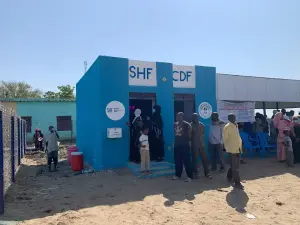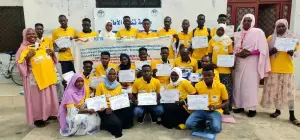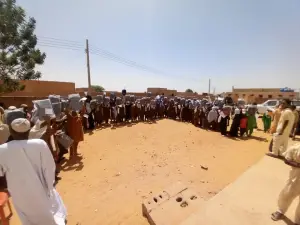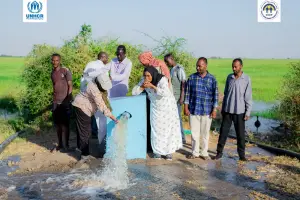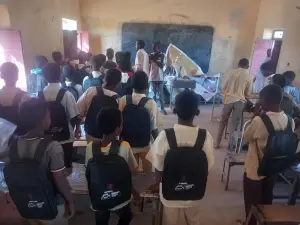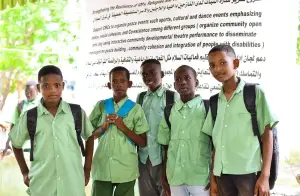
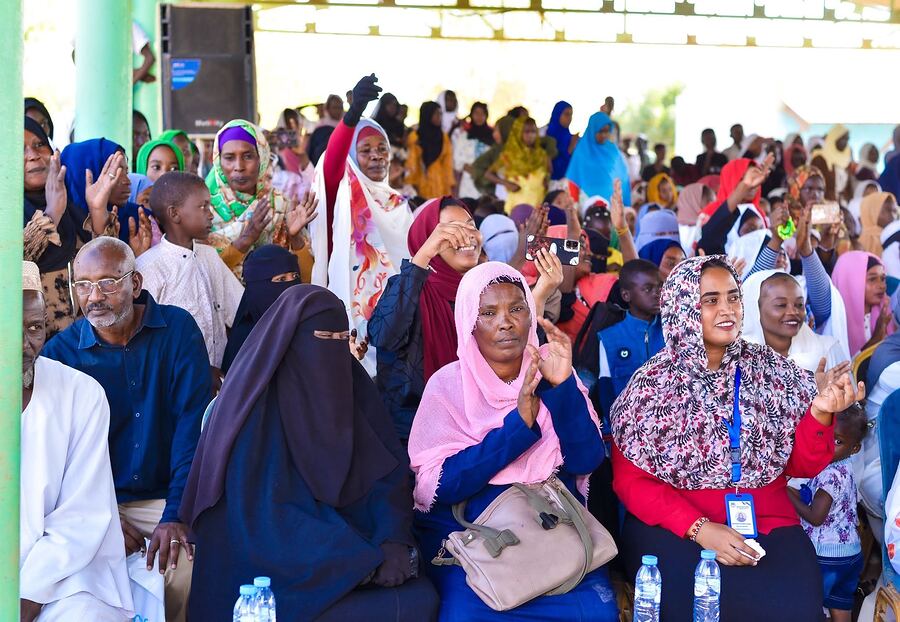
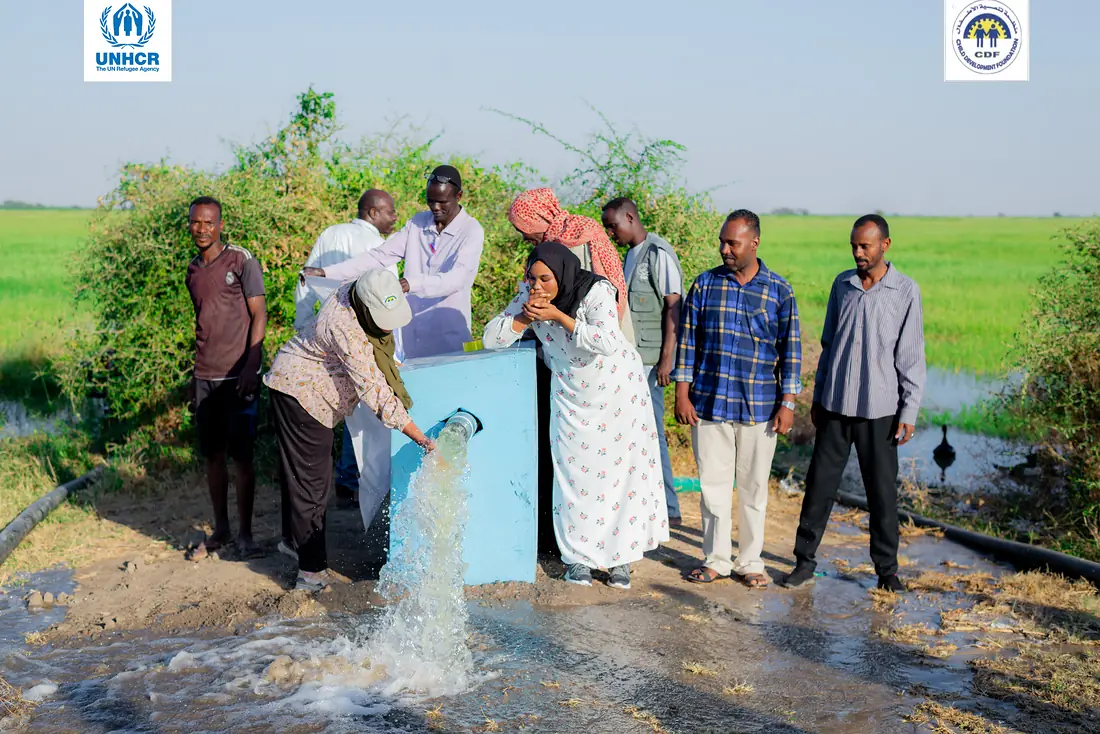
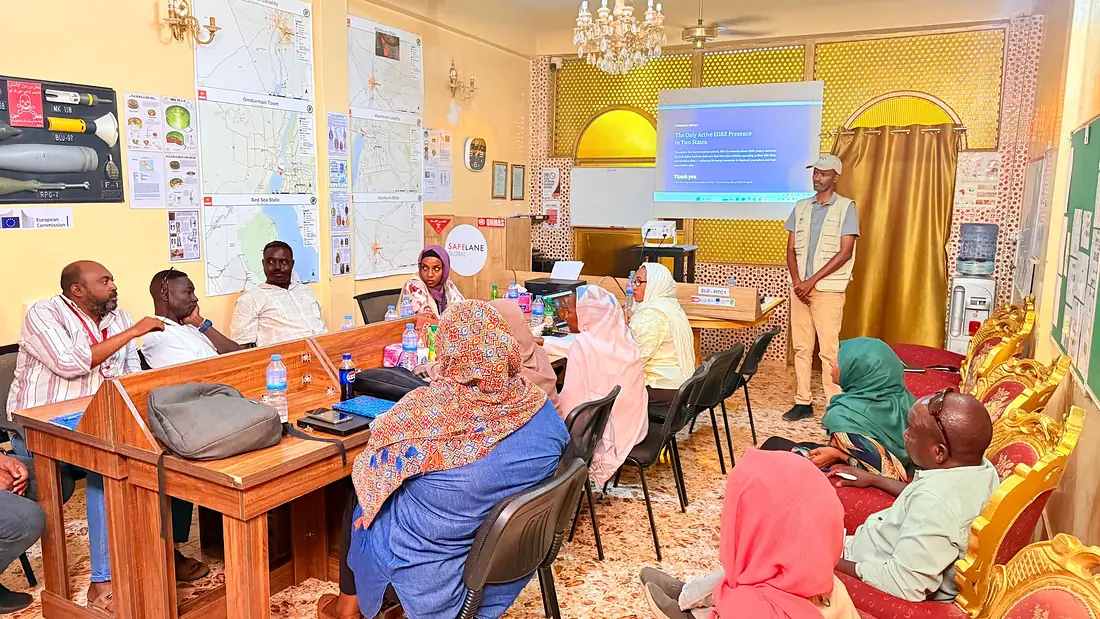
At Child Development Foundation (CDF), our programs constitute the cornerstone of our multi-sectoral field response across Sudan, delivering principled humanitarian assistance to address the critical needs of crisis-affected children and vulnerable communities, while establishing sustainable pathways for early recovery and resilience.
Our integrated programmatic response encompasses comprehensive Child Protection and Safeguarding, Education in Emergencies (EiE), and life-saving Mine Action, including Explosive Ordnance Risk Education (EORE) and victim assistance. These efforts are reinforced by frontline Primary Healthcare (PHC), the Community-based Management of Acute Malnutrition (CMAM), sustainable Water, Sanitation, and Hygiene (WASH) infrastructure, and Climate-Smart Food Security and Livelihoods (FSL) interventions.
Across all interventions, we embed Community-Based Approaches, ensure strict Accountability to Affected Populations (AAP), and uphold institutional PSEA and Child Safeguarding standards, translating strategic partnerships into measurable, dignifying, and lasting impact.
Explore our programmatic sectors below to learn more about our areas of intervention and on-the-ground impact:
- Health and Nutrition
- Food Security and Livelihoods
- Education
- Protection and Safeguarding
- WASH
- Explosive Ordnance Risk Education
Health and Nutrition
The Health and Nutrition Sector at Child Development Foundation (CDF) constitutes a strategic pillar delivering integrated and comprehensive healthcare and nutrition interventions to crisis-affected children, internally displaced persons, and vulnerable host communities across Sudan. Field operations are anchored within Comprehensive Primary Healthcare (PHC) and standard therapeutic protocols to reinforce fragile health systems, mitigate acute wasting, and prevent severe malnutrition, thereby safeguarding the physical and cognitive development of infants and children, and protecting pregnant and lactating women across emergency and early recovery settings.
The programmatic response integrates outpatient clinical care, maternal, newborn, and child health services, routine immunization, and psychosocial support, supported by rapid-response mobile medical teams for hard-to-reach areas and outbreak containment for infectious diseases such as cholera and dengue. This is coupled with the Community-based Management of Acute Malnutrition across Outpatient Therapeutic Programs (OTP), Stabilization Centers (SC), and Targeted Supplementary Feeding Programs (TSFP), alongside Mother, Infant, and Young Child Feeding (MIYCN) counseling, health facility rehabilitation, evidence-based nutrition assessments, and healthcare workforce capacity building.
We strictly adhere to clinical quality standards, patient safety, and infection control, maintaining rigorous monitoring and evaluation to ensure accessible and equitable health and nutrition outcomes.
Explore our Health and Nutrition pillars below to learn more about our strategic interventions and field impact:
Primary Healthcare and Clinical Services
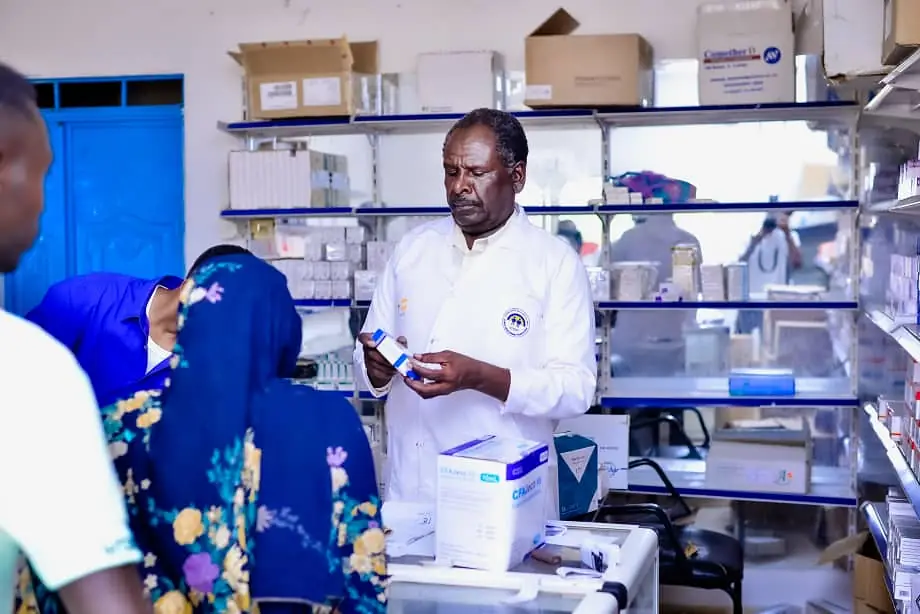
Primary Healthcare and Clinical Services represent a foundational pathway providing routine outpatient consultations, clinical diagnostics, and essential pharmaceuticals for acute and chronic conditions, while integrating specialized Maternal, Newborn, and Child Health (MNCH) care across antenatal and postnatal stages, routine immunization campaigns, Mental Health and Psychosocial Support (MHPSS), and emergency referral mechanisms for critical cases.
Emergency Response and Epidemic Control
Emergency Response and Epidemic Control represents a vital intervention deploying mobile medical teams to remote and crisis-affected zones lacking permanent infrastructure, actively containing outbreaks of infectious diseases including cholera, measles, and dengue through standard triage, isolation, and specialized clinical protocols.
Community-Based Management of Acute Malnutrition (CMAM)
The Community-Based Management of Acute Malnutrition (CMAM) constitutes an integrated model operating Outpatient Therapeutic Programs (OTP) for uncomplicated severe acute wasting using Ready-to-Use Therapeutic Food (RUTF), running 24/7 inpatient Stabilization Centers (SC) for complicated cases, and providing Targeted Supplementary Feeding Programs (TSFP) for moderate acute malnutrition with robust tracking and referral systems.
Mother, Infant, and Young Child Feeding (MIYCN / IYCF)
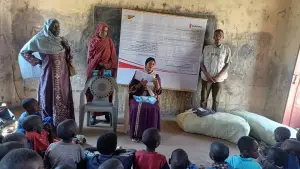
Mother, Infant, and Young Child Feeding (MIYCN / IYCF) represents a key preventative pillar delivering targeted nutritional and psychosocial counseling for pregnant and lactating women during the first 1,000 days of life, mobilizing peer-led Mother Support Groups (MSGs), and conducting community campaigns to protect exclusive breastfeeding and optimal complementary feeding practices.
Infrastructure, Medical Logistics, and Infection Control
Infrastructure, Medical Logistics, and Infection Control represent essential operational support focused on rehabilitating and equipping damaged health and nutrition facilities with diagnostic machinery, securing uninterrupted pharmaceutical and therapeutic supply chains, and embedding Infection Prevention and Control (IPC) protocols and protective materials.
Social and Behavior Change, Nutrition Surveys, and Capacity Building
Social and Behavior Change, Nutrition Surveys, and Capacity Building represent an evidence-driven pillar implementing SBCC strategies to address harmful feeding misconceptions, conducting door-to-door MUAC screening campaigns, administering Vitamin A supplementation, executing standardized SMART and SQUEAC coverage surveys, and delivering structured capacity development for medical professionals, midwives, and frontline community health workers.
Food Security and Livelihoods
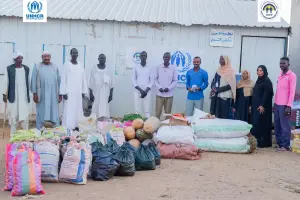
The Food Security and Livelihoods (FSL) Sector at Child Development Foundation (CDF) constitutes a vital pillar dedicated to eliminating hunger, building rural economic resilience, and protecting ecosystems across crisis-affected communities in Sudan. The sector combines immediate emergency food assistance with climate-smart agriculture and sustainable economic empowerment, enabling vulnerable households and internally displaced persons to transition from relief dependency to long-term self-reliance.
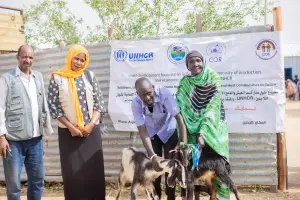
The programmatic response delivers balanced food baskets and Cash and Voucher Assistance (CVA), supplies smallholder farmers with drought-resilient certified seeds and agricultural tools, and solarizes community water yards for sustainable irrigation. Furthermore, field interventions drive entrepreneurship, technical vocational training, and asset transfers, with dedicated initiatives for women’s economic empowerment, agricultural cooperative mentorship, community-managed Early Warning Systems (EWS), climate adaptation, and desertification mitigation.
We ensure all FSL interventions are backed by comprehensive market feasibility and supply-chain assessments, preserving household dignity and stimulating local economic recovery.
Explore our Food Security and Livelihoods pillars below to learn more about our strategic interventions and field impact:
Emergency Food Assistance and Safety Nets
Emergency Food Assistance and Safety Nets represent a life-saving operational pillar designed to protect vulnerable households from acute food shortages during crises, delivering balanced dry food rations alongside conditional and unconditional Cash Transfer Programming that stimulates local markets and affords families dignity of choice.
Climate-Smart Agriculture and Production Support
Climate-Smart Agriculture and Production Support represents a foundational intervention equipping smallholders with drought-resistant seed varieties, modern crop packages, and farming tools ahead of planting seasons, while supporting riverine and coastal fishing communities with harvesting and preservation gear, and converting agricultural water yards to eco-friendly solar-powered pumping systems.
Economic Empowerment and Agribusiness
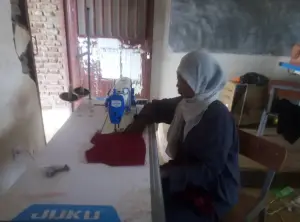
Economic Empowerment and Agribusiness constitute a core strategy for fostering financial inclusion and income diversification through Income Generation Activities (IGAs), technical vocational skills, production asset transfers, agribusiness value-chain integration, and microfinance mechanisms, coupled with targeted women-centered economic initiatives and the formalization of local agricultural cooperatives.
Climate Resilience, Early Warning, and Market Assessment
Climate Resilience, Early Warning, and Market Assessment represent an evidence-based framework deploying community-managed Early Warning Systems (EWS) for hazard alerts, implementing climate adaptation models, leading re-greening and sand-dune stabilization campaigns to combat desertification, and conducting rigorous market feasibility studies to ensure interventions strengthen local economic dynamics.
Featured projects
- Stronger resilience for internally displaced people, refugees and vulnerable host communities in eastern Sudan (New Halfa)
Kassala · UNDP · Sep 2025 – Jun 2026 - Strengthening the security–climate nexus
Gedaref · FAO · Jan 2025 – Feb 2025 - Strengthening the security–climate nexus
Gedaref · IOM · Jan 2025 – Feb 2025 - Livelihood solutions and inclusion for refugees, arrivals and the host community, 2025
White Nile · UNHCR · Jan 2025 – Dec 2025 - Resilience and social cohesion
South Darfur · WFP · Mar 2025 – Dec 2025
Education
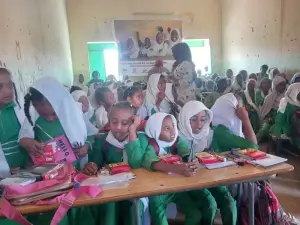
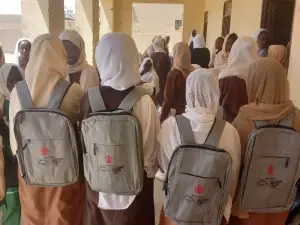
The Education Sector at Child Development Foundation (CDF) constitutes a strategic pillar for societal development, economic growth, and poverty reduction across Sudan, encompassing pre-primary, basic, secondary, and technical education, alongside adult literacy and non-formal pathways. In response to the complex challenges brought by conflict and displacement—which have disrupted learning for millions of school-age children and impacted educational infrastructure—CDF works to guarantee safe, equitable, inclusive, and quality learning opportunities while enabling children to recover lost learning years and core skills.
The programmatic response integrates Education in Emergencies (EiE), safe school reopening, classroom and sanitation rehabilitation, school improvement grants, and the distribution of student learning materials and teacher instructional packages, alongside temporary learning spaces. Furthermore, field interventions deliver Accelerated Learning Programs (ALP), digital learning approaches, school health and nutrition initiatives, and comprehensive teacher training on inclusive pedagogy and psychosocial support, coordinated under UNICEF, Save the Children, and the UNESCO-led Local Education Group, while actively empowering community-based school management committees and parent associations to ensure educational continuity and systemic recovery.
We ensure all educational interventions bridge emergency response with sustainable system recovery, investing in child protection and human capital as an essential foundation for peace and long-term stability.
Explore our Education pillars below to learn more about our strategic interventions and field impact:
Inclusive and Emergency Learning Pathways
Inclusive and Emergency Learning Pathways represent a critical intervention designed to break down barriers to education in displacement camps and crisis zones through temporary learning spaces, support for formal and non-formal community schools, Accelerated Learning Programs (ALP) for out-of-school and over-aged children, and digital learning solutions for hard-to-reach areas.
Infrastructure, Educational Materials, and Enrollment Drives
Infrastructure, Educational Materials, and Enrollment Drives represent a foundational operational pillar restoring protective learning environments through classroom rehabilitation, child-friendly sanitation installation, school improvement grants, school furniture provision, and the distribution of student learning kits and teacher instructional materials, coupled with nationwide Back-to-School and student mapping campaigns.
Frontline Educators and Community Governance
Frontline Educators and Community Governance constitute a strategic human development pathway upgrading teacher capabilities in child-centered pedagogy, positive classroom management, inclusive education, and psychosocial crisis support, adapting curricula to emergency contexts, and establishing and training Parent-Teacher Associations (PTAs) and School Management Committees (SMCs) to lead local school governance, grant management, and student protection oversight.
Holistic School Health and Well-being
Holistic School Health and Well-being represents a vital support pillar enhancing student retention and cognitive performance through daily nutritious school feeding and high-energy snacks, integrated classroom health screenings for vision and hearing, and the institutionalization of preventative health and hygiene practices within daily student life.
Featured projects
- Better access to quality education for vulnerable groups and for students outside social welfare programmes in Kassala
Kassala · UNICEF · Mar 2025 – Feb 2026 - Inclusive education and protection in emergencies for boys and girls affected by armed conflict
White Nile · Plan International · Jul 2025 – Dec 2025 - Quality inclusive education for the most vulnerable children in Sudan
Sennar · Save the Children and European Union · Feb 2025 – Dec 2025 - Thabat Education
Northern State · UNICEF · May 2025 – Dec 2025 - Resilience and social cohesion through child protection and education for displaced people, returnees and the host community in Bielel and Kass localities
South Darfur · UNICEF · Oct 2024 – Dec 2025 - Education services for girls and boys affected by conflict in South Darfur
South Darfur · Norwegian Refugee Council · Jul 2025 – Nov 2025 - Safe, inclusive and protective education in emergencies for girls and boys affected by conflict in South Darfur
South Darfur · War Child · Sep 2025 – May 2026
Protection and Safeguarding
At Child Development Foundation (CDF), protection is central to our humanitarian mandate, dedicated to safeguarding vulnerable populations—particularly children and women—from harm, exploitation, abuse, and neglect across Sudan. Through an integrated strategy combining frontline emergency response, community empowerment, and institutional compliance, CDF establishes safe environments where conflict-affected individuals thrive with dignity and justice.
Field interventions deliver comprehensive child protection case management, specialized care for unaccompanied and separated children (UASC), family tracing and reunification (FTR), and targeted support for children with disabilities, children on the move, and children formerly associated with armed forces and groups (CAAFAG). Our response actively mitigates female genital mutilation (FGM), child marriage, child trafficking, and child labor, reinforced by protection-centered Cash and Voucher Assistance (CVA), structured Mental Health and Psychosocial Support (MHPSS), Child-Friendly Spaces (CFSs), and community-based protection networks. Furthermore, field operations drive protection monitoring, civil documentation and legal counseling, prioritized assistance for female-headed households, persons with disabilities, and the elderly, alongside community-led conflict mitigation.
Additionally, CDF operates survivor-centered Gender-Based Violence (GBV) programs, manages Safe Spaces for Women and Girls (SSWGs) with confidential support corners, distributes dignity kits, and delivers emergency cash assistance. Across all operations, CDF enforces strict Prevention of Sexual Exploitation and Abuse (PSEA) zero-tolerance policies, accessible and confidential reporting channels, transparent Feedback and Complaint Mechanisms (FCM) to ensure Accountability to Affected Populations (AAP), mandatory background vetting during recruitment, and uncompromising adherence to the “Do No Harm” framework.
Explore our Protection and Safeguarding pillars below to learn more about our strategic interventions and field impact:
Child Protection
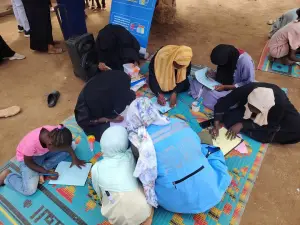
Child Protection represents a foundational pillar ensuring that every child is safe, protected, and supported in emergency and displacement contexts through individual case management for at-risk children, specialized family tracing and reunification (FTR) for unaccompanied and separated children (UASC), inclusive assistance for children with disabilities and children on the move, socio-economic reintegration for children formerly associated with armed forces and groups, mitigation of FGM, child marriage, child trafficking, and child labor, provision of child protection cash and voucher assistance (CVA), structured mental health and psychosocial support (MHPSS) encompassing psychological first aid, clinical counseling, and life-skills development, community awareness drives on protection and mine risks, the operation of safe Child-Friendly Spaces (CFSs), strengthening Community-Based Child Protection Networks (CBCPNs), and specialized capacity building for social workers, volunteers, and local authorities on child rights and standard referral pathways.
General Protection
General Protection constitutes an essential monitoring and response framework addressing the safety, dignity, and basic rights of displaced populations and host communities through systematic protection monitoring assessments to identify human rights violations and facilitate urgent life-saving referrals, provision of legal counseling and civil documentation support, targeted assistance prioritizing female-headed households, persons with disabilities, and the elderly in conflict-affected areas, alongside mobilizing local protection networks to strengthen community resilience, mitigate localized disputes, and promote safety awareness.
Gender-Based Violence (GBV) Programming
Gender-Based Violence (GBV) Programming represents a multi-tiered framework operating across direct response, risk mitigation, community prevention, and coordination through individualized survivor-centered case management following the “Do No Harm” principle, structured mental health and psychosocial support (MHPSS) with peer-support networks, daily management of Safe Spaces for Women and Girls (SSWGs) providing confidential corners, sexual and reproductive health (SRH) awareness, literacy and numeracy classes, and girls’ clubs, accompanied by the distribution of dignity kits with solar lights and torchlights, alongside cash and voucher assistance (CVA) for Individual Protection Assistance (IPA), emergency survival sex risk mitigation, medical transport, and menstrual hygiene supplies.
Institutional Safeguarding, PSEA, and AAP
Institutional Safeguarding, PSEA, and AAP represent an uncompromising organizational governance framework upholding zero tolerance for sexual exploitation, abuse, and misconduct through enforceable codes of conduct for all personnel and partners, active designated field focal points with formal investigation protocols, accessible confidential reporting channels, transparent Feedback and Complaint Mechanisms (FCM) utilizing hotlines, complaint boxes, and community help desks to ensure affected populations shape program cycles, inclusive community participation in project planning and evaluation, mandatory background vetting during recruitment, and continuous safeguarding risk mitigation training.
Featured projects
- Wider access for displaced children and host communities to humanitarian child protection services, through psychosocial support, case management, early intervention and gender-based violence risk reduction, in 3 locations in Kassala
Kassala · UNICEF · Sep 2024 – Dec 2025 - Integrated life-saving responses for people affected by displacement and famine in Kassala, New Halfa and West Kassala
Kassala · Plan Sudan · Sep 2025 – Dec 2025 - EAMR
Gedaref · Save the Children · Apr 2025 – Dec 2025 - PSEA
Gedaref · UNFPA · Aug 2025 – Dec 2025 - PFV
Gedaref · Norwegian Refugee Council · Sep 2025 – Dec 2025 - Protection networks for refugees and the host community
White Nile · UNHCR and Plan International · Jan 2025 – Dec 2025 - Protection for arrivals and the host community in White Nile State
White Nile · Norwegian Refugee Council · Aug 2025 – Dec 2025 - Protection survey in White Nile State
White Nile · UNICEF · Jan 2025 – Mar 2025 - Rehabilitation of centres for survivors of gender-based violence
White Nile · UNFPA · Jan 2025 – Mar 2025 - Gender-based violence
Sennar · UNFPA · Mar 2025 – Dec 2025 - Makana
Northern State · UNICEF · Jan 2025 – Dec 2025 - Thabat GBV
Northern State · UNICEF · Jul 2025 – Dec 2025 - GBV
Northern State · UNFPA · Jan 2025 – Dec 2025 - Resilience and social cohesion through child protection and education for displaced people, returnees and the host community in Bielel and Kass localities
South Darfur · UNICEF · Oct 2024 – Dec 2025 - Resilience and social cohesion
South Darfur · WFP · Mar 2025 – Dec 2025 - Individual protection assistance (IPA) and emergency cash assistance
South Darfur · UNFPA · Aug 2025 – Dec 2025 - PSEA assessment
South Darfur · UNICEF · Feb 2025 – Mar 2025 - Gender-based violence
Gezira · UNFPA · Sep 2025 – Dec 2025
WASH
The Water, Sanitation, and Hygiene (WASH) Sector at Child Development Foundation (CDF) constitutes a foundational pillar dedicated to safeguarding public health, preventing deadly disease outbreaks, and upholding basic human dignity across crisis-affected areas in Sudan. Grounded in extensive field experience and strategic partnerships with UN agencies and international organizations, CDF delivers principled WASH interventions designed to address the critical needs of conflict-affected populations, mitigating child morbidity and mortality associated with unsafe water and sanitation while establishing community resilience and sustainable development.
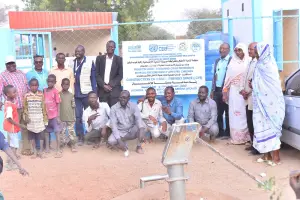
The programmatic response halts the transmission of waterborne and neglected tropical diseases—such as cholera, dysentery, acute watery diarrhea, and trachoma—which remain leading causes of under-five child mortality, while providing proximate, reliable drinking water sources and private sanitation that alleviate burdensome manual collection and empower local livelihoods. Furthermore, interventions reinforce infection prevention and control (IPC) within healthcare facilities to protect medical personnel, patients, and combat antimicrobial resistance, while outfitting schools with safe WASH infrastructure that reduces illness-related absenteeism and enables dignified Menstrual Hygiene Management (MHM) for girls. These initiatives are integrated with climate-resilient water infrastructure and waste management systems designed to withstand severe droughts and floods, coupled with grassroots engagement for lasting community-wide behavior change.
We strictly adhere to global humanitarian and public health standards, partnering with affected populations to translate resources into equitable, dignified, and lasting WASH solutions.
Explore our Water, Sanitation, and Hygiene (WASH) pillars below to learn more about our strategic interventions and field impact:
Safe Drinking Water and Disease Prevention
Safe Drinking Water and Disease Prevention represent a primary life-saving pathway halting the spread of cholera, dysentery, diarrhea, and trachoma to reduce under-five mortality, providing proximate, sustainable water sources that save manual collection hours, safeguard human dignity, and support local household livelihoods.
Institutional WASH for Healthcare Safety and Education
Institutional WASH for Healthcare Safety and Education constitutes an essential framework providing functioning water and sanitation in health centers to strengthen clinical infection control and mitigate antimicrobial resistance, while equipping schools with safe, clean facilities to reduce student absenteeism and support private menstrual hygiene management for girls.
Climate Resilience and Community Behavior Change
Climate Resilience and Community Behavior Change represent a sustainable development pillar establishing durable water systems and waste management to protect habitats against climate shocks like floods and severe droughts, working directly with local communities to institutionalize lasting hygiene practices and behavioral change.
Featured projects
- Wider access to water and sanitation services
Sennar · UNICEF · Aug 2025 – Oct 2025 - Support to water sources, and training
South Darfur · WES · Jun 2025 – Aug 2025
Explosive Ordnance Risk Education
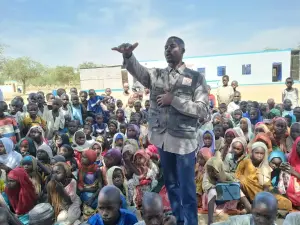
The Explosive Ordnance Risk Education (EORE) Sector at Child Development Foundation (CDF) constitutes a life-saving humanitarian pillar dedicated to fostering sustainable behavioral change among conflict-affected populations—transforming high-risk practices into safe, protective behaviors around explosive remnants of war (ERW) and unexploded ordnance. Operating under the direct supervision of the National Mine Action Center (NMAC) and in close partnership with international donors and humanitarian agencies, CDF implements comprehensive preventive strategies to mitigate fatalities and injuries among children, displaced families, and vulnerable communities across Sudan.
Operational interventions deliver technical capacity building for frontline personnel and community volunteers in strict compliance with National Mine Action Standards (NMAS), deploying trained teams across IDP settlements, schools, transit corridors, and underserved rural areas. Programmatic efforts actively support non-technical survey (NTS) activities to identify and record hazardous areas, while distributing emergency contact cards and illustrative materials to promote immediate reporting of suspicious items through the national toll-free emergency hotline (60666), reinforced by interactive community engagement and risk-awareness campaigns.
We strictly enforce national technical standards and humanitarian principles across all EORE operations, ensuring lasting community resilience and safe environments for all affected populations.
Explore our Explosive Ordnance Risk Education pillars below to learn more about our strategic interventions and field impact:
Community Outreach and Behavioral Change
Community Outreach and Behavioral Change represent a primary life-saving pathway designed to transition community and IDP practices from high-risk exposure to safe behaviors, delivering interactive sessions and illustrative guidance to reinforce hazard avoidance and personal safety protocols across affected localities.
School-Based Risk Education and Child Safety
School-Based Risk Education and Child Safety constitute a protective intervention safeguarding children and youth within educational institutions and child-friendly spaces through structured classroom sessions, creative arts, and hazard recognition exercises to institutionalize safe daily habits.
Standardized Capacity Building, Non-Technical Survey, and Emergency Reporting
Standardized Capacity Building, Non-Technical Survey, and Emergency Reporting represent a specialized operational framework delivering volunteer and staff training aligned with national standards under NMAC supervision, facilitating non-technical surveys to map and record suspected hazardous areas, and distributing emergency contact cards to institutionalize timely hazard reporting via the national emergency hotline (60666).